
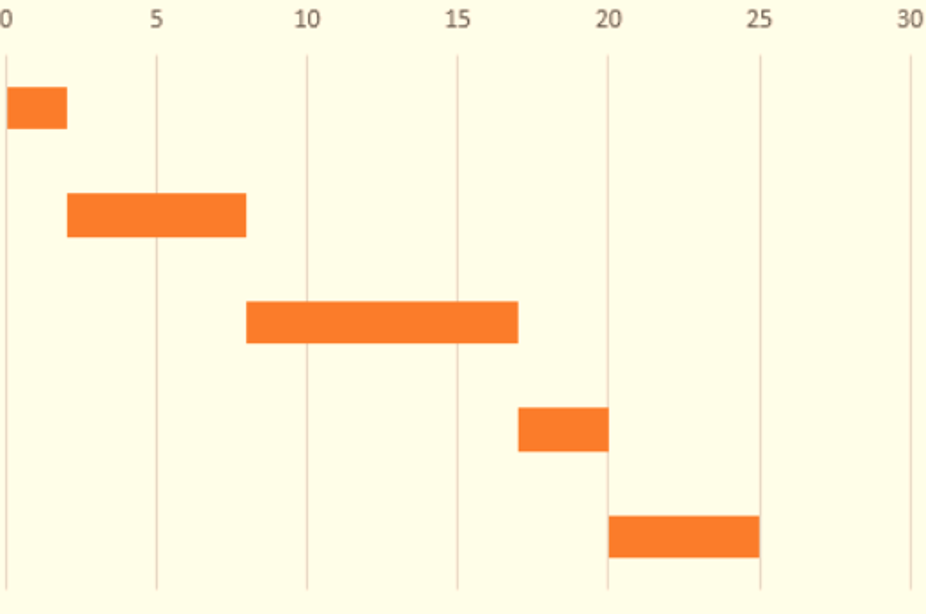
Development timeline
How we’re building XGVRL — step by step
Creating a new standard is not just a technical task. It’s a process of listening, testing, adjusting — and building something that works in the real world.
Here’s the roadmap we’re following to develop XGVRL in close collaboration with vineyards, researchers, and ESG experts.
Phase 1 – Foundation (2025)
-
Defining the basic KPI dataset
We’re identifying a core set of environmental and social indicators, based on international ESG frameworks and viticulture-specific needs. -
Interviews with vineyards (ongoing)
We’re listening to urban and traditional vineyards across different regions to understand what data they already track — and what matters most to them.
Phase 2 – Field Testing (March–August 2026)
-
Experimental rollout in 5 pilot vineyards
From March 2026, XGVRL will be tested in five vineyards, each located in a different climatic and logistic context (e.g., rooftop, peri-urban, heritage site, high-density, etc.). -
First structured data collection
From March to August 2026, these vineyards will use XGVRL to collect environmental and social data in the field.
Phase 3 – Feedback and Refinement (August–December 2026)
-
Review of indicators and methodology
Based on real-world use, we’ll refine the initial KPI set, improve usability, and address edge cases or missing variables. -
Integration of new insights
Optional and local indicators will be developed to reflect regional needs and practices.
Phase 4 – Consolidation and Release (January–June 2027)
-
Second round of data collection and analysis
Updated KPIs will be tested in the same vineyards and additional ones, concluding in June 2027. -
Publication of version 1.0
By June 2027, we will publish:-
the mandatory KPI list (core indicators)
-
the optional/local KPI library
-
and release a reporting platform with export in standardized XML format
-
What happens next?
After the first release, the cycle will repeat:
→ New data, new partners, new vineyards.
→ Annual review and refinement of the standard.
→ Expansion of adoption across different countries and contexts.
XGVRL is designed to grow — with the vineyards that use it.