
What is it for?
Why vineyards — and those who support them — should care about XGVRL
In today’s landscape, sustainability is no longer optional.
Vineyards are increasingly expected to demonstrate how they manage their impact on the environment, on people, and on the land they cultivate.
But to report that impact — in a clear, verifiable, and comparable way — they need a shared language.
That’s where XGVRL comes in.
Why adopt XGVRL?
Here are the main benefits for vineyards — and for those who support, finance, or certify them:
1. Structured ESG reporting
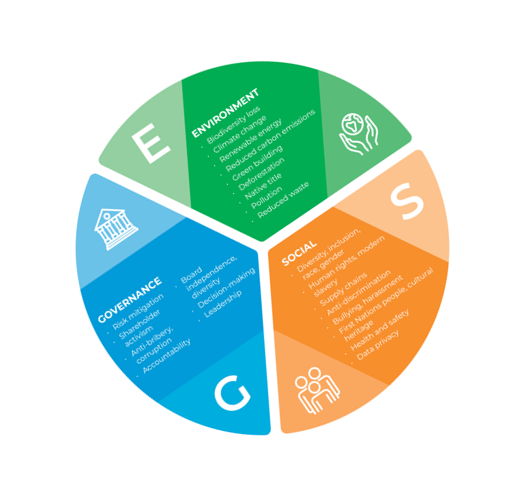
XGVRL allows vineyards to collect and report data in line with international ESG standards — across topics like:
-
land use and biodiversity
-
water and energy use
-
labor and community impact
-
climate risks and certifications
2. Regulatory readiness
With sustainability reporting becoming mandatory in many countries, adopting XGVRL positions the vineyard ahead of future legal and market requirements.
3. Funding and certification
Having ESG data structured and machine-readable means:
-
Easier access to certifications (e.g., organic, biodynamic, ISO)
-
Better chances with public and private funding
-
Eligibility for green finance and ESG-linked investment
4. Reputation and market value
Consumers, institutions, and B2B buyers increasingly look for reliable indicators of environmental and social responsibility.
XGVRL helps vineyards speak their language — with facts.
5. Modularity and scalability
XGVRL starts with a core dataset, but it’s extensible by design:
new chapters (economic, innovation, education, carbon tracking…) can be added over time, based on the vineyard’s goals and context.
A strategic ESG asset
Adopting XGVRL — or sponsoring a vineyard that uses it — means being able to report ESG performance in a structured, verifiable way, unlocking all the strategic advantages tied to credible sustainability reporting.
This is not just about transparency.
It’s about being recognized as part of the transition: from extractive agriculture to regenerative practices, from declarations to data, from one-off projects to long-term impact.